About EuroStemCell

EuroStemCell is here to help European citizens make sense of stem cells. We provide independent, expert-reviewed information and road-tested educational resources on stem cells and their impact on society. We’ve received funding from the European Union’s Horizon 2020 research and innovation programme (grant agreement number 652796). You can read more about the history of EuroStemCell here.
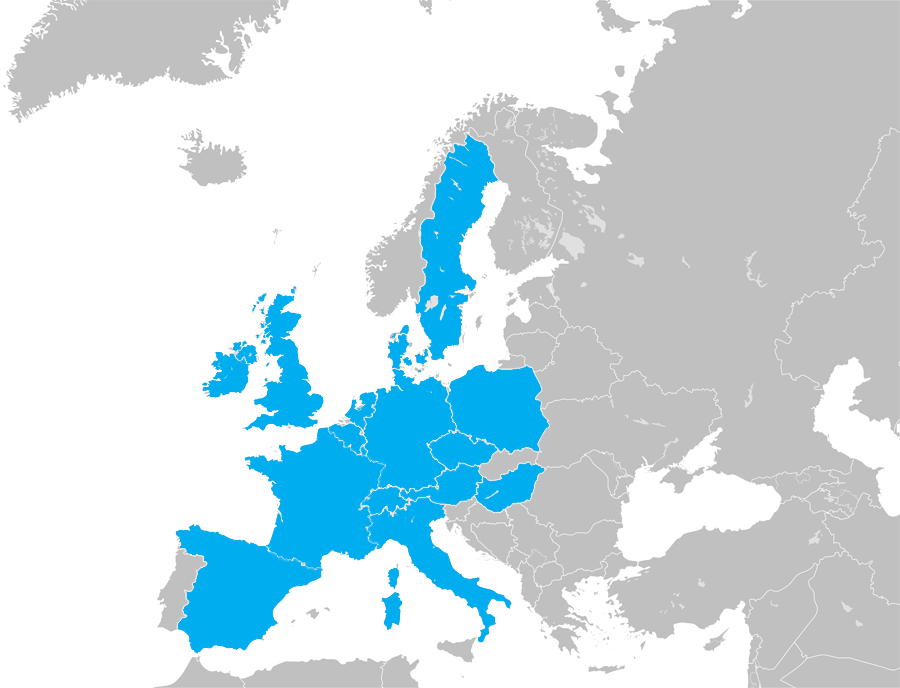
We’re a partnership of more than 400 stem cell and regenerative medicine labs across Europe, connected via research centres, consortia, networks and hubs. Scientists, clinicians, ethicists, social scientists and science communicators are all part of the project.
We also work closely with patients, educators, regulators and policy makers to foster engagement and develop material that meets their needs.
Our project team, based in Edinburgh, brings together a range of science communications expertise – from schools engagement and training to resource development, science writing, filmmaking and event management.
EuroStemCell has key partnerships with European Union-funded stem cell research consortia who provide significant contribution to the project financially and scientifically.
Supporting Institutions
EuroStemCell's non-profit work is made possible by the support of these partner institutions.


Our Team

Clare Blackburn
Clare Blackburn
Professor Clare Blackburn is a Group Leader at the University of Edinburgh's Centre for Regenerative Medicine. EuroStemCell's Project Co-ordinator and Director of Training and Outreach for the original EuroStemCell, she has been instrumental in getting this website funded, up and running. She's also a Principal Investigator in Framework Seven project EuroSyStem.
Clare’s research focuses on development of the thymus. The thymus plays a central role in the development of the body’s immune system as it is the main site in which T cells are generated. T cells are a type of white blood cell that play an important role in immunity. Clare's lab recently identified a population of progenitor/stem cells in mice that, on transplantation, is sufficient to generate a fully functional thymus.

Anna Couturier
Anna Couturier
Anna Couturier, Phd. is the Project Manager - Digital and Technical for EuroStemCell and EuroGCT at the University of Edinburgh's Centre for Regenerative Medicine. She steers digital strategy and implementation for the projects in collaboration with their partners and public stakeholders. She also provides in-depth training for scientists and science communicators with a special focus on science and technology in digital spaces.
Anna's academic research in Science and Technology Studies at the University of Edinburgh covers algorithmic governance, digital health, and regenerative medicine with a particular interest in developing digitally native methodologies.
Her previous work covers global educational media development and digital advocacy at institutions including Da Vinci Kids, Columbia University Center for the Core Curriculum, GLAAD, and the Women's Media Center.
Our Partners

Wendy Bickmore
Wendy Bickmore
Wendy Bickmore is Director of the MRC Human Genetics Unit, part of the MRC Institute of Genetics and Molecular Medicine at the University of Edinburgh. After an undergraduate degree in Biochemistry at Oxford, she obtained her PhD at Edinburgh University. During postdoctoral training, she became fascinated by the structure and organization of chromosomes in the nucleus and as an independent fellow of the Lister Institute of Preventive Medicine (1991-1996) she went on to show that different human chromosomes have preferred positions in the nucleus, related to their gene content. As an MRC group leader she then investigated how individual genes are organized and packaged in the nucleus and how they move in the cell cycle and during development. Current research in Wendy Bickmore’s laboratory focuses on how the spatial organization of the nucleus influences genome function in development and disease. Wendy is an EMBO member and a Fellow of the Royal Society of Edinburgh and of the Academy of Medical Sciences. She is an editor on many journals including PLoS Genetics and Cell and is the President-Elect of the Genetics Society.

Elena Cattaneo
Elena Cattaneo
Laboratory of Stem Cell Biology and Pharmacology of Neurodegenerative Diseases, University of Milan
Professor Elena Cattaneo is Director of the Laboratory of Stem Cell Biology and Pharmacology of Neurodegenerative Diseases at the Department of Pharmacological Sciences, as well as a co-founder and first appointed Director of UniStem, the Centre for Stem Cell Research of the University of Milano. The main research theme of her lab is neural stem cells, and the molecular pathophysiology of Huntington’s Disease.
Funders of Prof Cattaneo's lab include the Huntington's Disease Society of America (H.D.S.A.), Hereditary Disease Foundation,High Q Foundation, the European Union (through EuroStemCell, NeuroStemcell, ESTOOLS, NeuroNE, STEM-HD and Stem-stroke projects), Fondazione Cariplo, and Telethon Italy.
Prof Cattaneo is a Coalition Investigator of the Huntington's Disease Society of America (H.D.S.A.), and a member of the Board of Directors of several European consortia (including EuroStemCell and NeuroNE). She acts as a reviewer for several journals (including Science, Nature Neuroscience, Nature Genetics, and Journal of Neuroscience) and international funding agencies, and is a member of the Scientific Advisory Board of the Hereditary Disease Foundation and of the Euro-HD Network.
Prof Cattaneo's studies on neural stem cells and Huntington's disease saw her awarded the “Le Scienze” Price for Medicine and a Gold Medal from the President of the Italian Republic in 2001. In 2005 she was awarded the Marisa Bellisario and Chiara D’Onofrio prizes, in 2006 was nominated Cavaliere Ufficiale (Knight) of the Italian Republic, and in 2013 was appointed senator for life by Italy's president, Giorgio Napolitano. She was also named Stem Cell Person of the Year in 2013 by Paul Knoepfler and the readers of his blog, and awarded the ISSCR Public Service Award in 2014, with Paolo Bianco and Michele De Luca, for "their recent involvement in public debate and policy-making in Italy, championing rigorous scientific and medical standards and stringent regulatory oversight in the introduction of new stem cell treatments into the clinic."
Prof Cattaneo has published 105 papers in peer-reviewed journals, has given more than 200 invited lectures, and is very active in organizing professional development and outreach events - for both the scientific community and lay public.

Christine Kubiak
Christine Kubiak

Petr Dvorak
Petr Dvorak
Petr Dvorak is Professor in Cellular and Molecular Biology and Genetics Department of Biology, Faculty of Medicine, Masaryk University.

Peter Andrews
Peter Andrews
Centre for Stem Cell Biology, University of Sheffield
Prof. Andrews is Co-Director of the Centre for Stem Cell Biology at the University of Sheffield and leader of its Stem Cells and Cancer research group. The appearance of genetically abnormal cells aising from pluripotent stem cells in culture offers a unique model to study the initiation and progression of cancer cells. These models will allow the identification of critical genes which are responsible for the cancer-like properties of cells and may lead to novel strategies and therapies for treatment.

Juergen Knoblich
Juergen Knoblich
Jürgen Knoblich is Deputy Director and a Senior Scientist at the Institute of Molecular Biotechnology of the Austrian Academy of Sciences (IMBA). In 2009 he was awarded the Wittgenstein Prize for his work on asymmetric cell division.

Philip Newsome
Philip Newsome
Philip Newsome is Professor of Experimental Hepatology and Clinical Director of the Birmingham University Stem Cell Centre. He is an Area Lead (Liver Regeneration) in the NIHR Birmingham Liver Biomedical Research Unit.
Philip has published over major research papers in scientific journals as well as reviews and book chapters in the fields of stem cell biology and liver disease. He has received major grants from NIHR, European Union, Wellcome Trust, UKSCF, BBSRC and the Medical Research Council.
He is an enthusiastic communicator on the theme of translational stem cell work and non-alcoholic fatty liver disease and gives frequent talks to various groups at both the local and national level. Philip frequently contributes to both the local and national media and continues to advise the BBC on stem cell-related stories.

Freddy Radtke
Freddy Radtke
Freddy Radtke obtained his Ph.D. in Molecular Biology from the University of Zürich in 1994. In 1995, he started his postdoctoral research in the laboratory of Michel Aguet at Genentech, Inc. (San Francisco, USA). In 1997, he returned to Switzerland with Michel Aguet and finished his postdoctoral fellowship at the Swiss Institute for Experimental Cancer Research (ISREC) in Lausanne. From 1999‑2005, he was a group leader and Associate Member at the Ludwig Institute for Cancer Research. Freddy Radtke then joined ISREC in January 2006 as a senior scientist and in July 2006, he was appointed Associate Professor at the EPFL School of Life Sciences.

Andrew Webster
Andrew Webster
Professor Andrew Webster has been Professor in the Sociology of Science and Technology at York since 1999. He is also the Director of the Science and Technology Studies Unit at York which he established originally at Anglia Ruskin University in 1988. He has held a visiting fellowships at ANU, Sydney and Gothenburg universities.
He was Head of the Department of Sociology at York between 2004-9 and then Dean of Social Sciences and member of the University's Senior Management Group until 2013.He has directed national research programmes for the ESRC and MRC in the fields of emerging health technologies and stem cells, and held major grants from UK research councils and the European Commission.
He was elected Fellow of the Academy of Social Science in 2007.
Andrew serves on a number of editorial and scientific advisory boards as well as national policy committees including the UK Stem Cell Bank Steering Committee, the Regenerative Medicine Expert Group Sub-committee, and the Scientific Advisory Committee, Pharmacy Research UK, as well as member of various UK and international academic bodies including, the BSA, EASST, and the Dutch WTMC's International Scientific Board.

Kim Jensen
Kim Jensen
Kim Jensen is an Associate Professor at BRIC, University of Copenhagen. His research focuses on tissue specific stem cells with a particular interest in the epitelial component of the small intestine and the skin.

Gerald de Haan
Gerald de Haan
Gerald holds the position of Scientific Director of the European Research Institute for the Biology of Ageing. The general scope of studies in his Laboratory is to further improve the understanding of mechanisms that specify normal stem cell functioning. Studies focus on hematopoietic stem cells, largely because superior technical tools and invaluable functional assays exist to study stem cells in this particular tissue. Gerald’s group is interested in the unique genetic and epigenetic program that distinguishes stem cells from non-stem cells.

Austin Smith
Austin Smith
Wellcome - MRC Cambridge Stem Cell Institute
Professor Austin Smith FRS has expertise in the field of pluripotency and has pioneered key advances in the field of embryonic stem cell research. In 2010 he was awarded the prestigious Louis-Jeantet Prize for Medicine and in 2016 received the International Society for Stem Cell Research Award for Innovation. Austin was the Project Co-ordinator for the original EuroStemCell. You can view a short video describing Austin's research interests and motivations on the Louis-Jeantet Foundation website, and can visit his lab homepage at http://www.stemcells.cam.ac.uk/research/pis/smith

Oliver Brüstle
Oliver Brüstle
Institute of Reconstrutive Neurobiology, University of Bonn Medical Center
Oliver Brüstle is a neuropathologist and a renowned expert in stem cell research. Following research activities at the University of Zurich and the NIH in Bethesda, Maryland, he now serves as Professor of Reconstructive Neurobiology at the University of Bonn Medical Center.

Giuseppe Testa
Giuseppe Testa
Giuseppe Testa is head of the stem cell epigenetics unit at the European Institute of Oncology. He is also Deputy Principal Investigator in the Research Unit on Biomedical Humanities. He is the cofounder of the interdisciplinary PhD program FOLSATEC (Foundations of the Life Sciences and Their Ethical Consequences) in Milan.

Hans Clevers
Hans Clevers
Hans Clevers is Principal Investigator at the Hubrecht Institute for Developmental Biology and Stem Cell Research (KNAW) and the Princess Máxima Center for pediatric oncology and also Professor of Molecular Genetics at the UMC Utrecht and Utrecht University, and Oncode Investigator.
Clevers discovered how the Wnt signaling pathway dictates cell fate decisions during animal embryogenesis by controlling gene expression. Looking beyond embryogenesis, he unveiled the role of Wnt signaling in colon cancer and in its physiological counterpart, the self-renewing gut epithelium. Combining these insights, he described the generic stem cell marker gene Lgr5, which has identified multiple novel adult stem cell types. Against prevailing views, these stem cells could be expanded indefinitely as organoids: mini-organs that recapitulate healthy or diseased human tissue in a dish. Organoids are rapidly gaining ground as research tools in a wide range of scientific disciplines including basic developmental and cell biology, infectiology, toxicology and research on hereditary diseases and cancer.

Paolo de Coppi
Paolo de Coppi
Paolo De Coppi is a Consultant Paediatric Surgeon at Great Ormond Street Hospital (GOSH), and Reader and Head of Stem Cells and Regenerative Medicine at the UCL Institute of Child Health in London.
He has been an Honorary Professor at the Katholieke Universiteit Leuven, Belgium, since 2013, an Adjunct Assistant Professor at the Wake Forest Institute for Regenerative Medicine, Wake Forest University in Winston-Salem, North Carolina, since 2009 and an Honorary Assistant Professor in Paediatric Surgery at the University of Padua, Italy, since 2005. He co-ordinates the EU Horizon2020 funded stem cell research consortium - INTENS which aims to aims to make a functional reconstructed bowel for people with Short Bowel Syndrome.

Giulio Cossu
Giulio Cossu
Giulio Cossu has a long lasting interest in the field of muscle cell and developmental biology. He discovered the myogenic potential of a bone-marrow derived, circulating progenitor cell (Ferrari et al., Science 1998). He also identified a novel population of vessel associated stem cell, the mesoangioblasts (Minasi et al. Development 2002; Dellavalle et al. Nature Cell Biol. 9, 255, 2007) that proved effective in the treatment of a mouse and dog models of muscular dystrophy (Sampaolesi et al. Science, 2003; Sampaolesi et al. Nature, 2006; Gargioli et al. Nature Medicine, 2008).

Anne Rosser
Anne Rosser
Professor Anne Rosser heads the South Wales clinical neurology service for HD as consultant neurologist. She chairs the UK HD research network and the UK arm of the European HD Network, and serves on the Scientific Advisory Committee of the global project Enroll-HD. As a scientist, Professor Rosser co-directs the Brain Repair Group in the Cardiff University School of Biosciences with particular responsibility for neural stem cell studies, and is the clinical director of the Cardiff Foetal Tissue Bank.

Michele de Luca
Michele de Luca
Center for Regenerative Medicine University of Modena and Reggio Emilia
Professor De Luca, and his principal collaborator Graziella Pellegrini, have been involved in epithelial stem cell biology aimed at clinical application in regenerative medicine for over 20 years. Beside his work on the use of human epidermal stem cell cultures in life-saving treatment of massive full-thickness burns and in repigmentation of stable vitiligo and piebaldism, he established human limbal stem cell culture aimed at corneal regeneration in patients with severe limbal stem cell deficiency. This treatment leads to recovery of vision in patients with poor alternative options for therapy. Michele De Luca is currently coordinating the first (successful) ex-vivo epithelial stem cell-mediated gene therapy clinical trial for the gene therapy of junctional epidermolysis bullosa, a serious genetic skin disease. He is also studying molecular mechanisms regulating self-renewal, proliferative potential and clonal evolution of epithelial stem cells.

Cedric Blanpain
Cedric Blanpain
IRIBHM, Université Libre de Bruxelles
Professor Blanpain is a researcher of the Belgian FNRS and group leader at IRIBHM, Université Libre de Bruxelles (ULB), Belgium, and is a PI in the current EuroStemCell (H2020) project. His lab is interested in understanding the role of epithelial stem cells during development, homeostasis, cancer initiation and growth.
Stem cells (SCs) have the unique capacity to self-renew and to differentiate into the cell lineages that constitute their tissue of origin. SCs are found in many adult tissues and are critical for maintaining tissue homeostasis and for regenerating damaged tissue after injuries. We are using genetic lineage tracing experiments in mice to determine how stratified epithelia are formed during embryonic development and are maintained thereafter during tissue homeostasis. We are studying how adult SCs sense and respond to DNA damage in their natural niche.
Two epithelial skin cancers are frequent in human populations: the squamous cell carcinoma and the basal cell carcinoma. The identification of the cells at the origin of these two frequent human cancers remains elusive. We are using mouse genetics to identify cells at the origin of these two frequent cancers and developed new approach to understand the molecular changes that occurred from the first oncogenic event to the development of invasive cancers.

Andras Dinnyes
Andras Dinnyes
Andras is member of the Stem Cell Committee of the Hungarian Academy of Sciences, the Medical Research Council Committee on Human Reproduction and board member of the Hungarian Biotechnology Association. The Molecular Animal Biotechnology Laboratory of the Szent Istvan University, Hungary was established with his appointment as full professor. Furthermore, he is an invited professor at the Veterinary Faculty of Utrecht University, the Netherlands. He has an MBA-level degree in management and years of international experience in project and team management, and creation of industrial spin-offs via his role as co-founder and director of BioTalentum Ltd (www.biotalentum.eu). Prof. Dinnyes is member and advisor in several professional associations and society, and works as editor for the World Journal of Stem Cells and as Senior Editorial Board for the American Journal of Stem Cells. He was rewarded with the Gábor Dennis Innovation Award, Hungary in 2013.

Göran Hermerén
Göran Hermerén
Faculty of Medicine, Lund University, Sweden
Göran Hermerén has been Professor of Medical Ethics at the Faculty of Medicine, Lund University, Sweden, since 1991. He has also held the position of Professor of Philosophy, Lund University, since 1975 and he was Professor of Philosophy of Science and Humanities, Umeå University from 1970-75. He is co-ordinator of the EU-funded research project Europriorities and is involved in several other EU-funded projects. He has published and edited books on research ethics as well as papers on ethical problems (mainly medical ethics) in international periodicals. Current research and teaching interests include ethical aspects of gene testing and stem cell research.

Megan Munsie
Megan Munsie
A/Prof Megan Munsie combines her extensive technical expertise with an interest and understanding of the complex ethical, social and regulatory issues associated with stem cell science. Megan heads the Education, Ethics, Law & Community Awareness Unit at the Australian Government funded Stem Cells Australia initiative. Megan is a member of an international research team that is exploring community expectation in relation to stem cell science, and in particular ‘stem cell tourism’. Over the last decade, Megan has contributed to the development of relevant policy in Australia and co-authored educational resources for the public and health professionals. In addition to having worked for over fifteen years in the Australian stem cell field, Megan also has more than ten years experience as an embryologist in IVF clinics around Australia.
Megan has a Bachelor of Applied Science from QUT, a Masters in Reproductive Sciences and a PhD from Monash University. It was during her PhD in 2000, in which she was the first person to demonstrate that stem cells could be made from ‘cloned' mouse embryos, that Megan saw the real need for scientists to engage with regulators and the public.

Sarah Chan
Sarah Chan
Usher Institute for Population Health Sciences and Informatics
Sarah Chan is a recently-appointed Chancellor’s Fellow at the Usher Institute for Population Health Sciences and Informatics, University of Edinburgh. She was educated at the University of Melbourne, Australia, where she completed degrees in biological science and in law, and spent a number of years as a researcher in a molecular biology laboratory before moving to work in the area of science policy and stem cell ethics. In 2005 Sarah took up a Research Fellowship in Bioethics and Law at the Centre for Social Ethics and Policy, University of Manchester, where she also completed a MA in Health Care Ethics and Law and a PhD in Bioethics. From 2009 to 2015 she was Deputy Director of the Institute for Science, Ethics and Innovation, University of Manchester. Her research interests and publications cover areas including the ethics of gene therapy and genetic information, enhancement, research ethics, stem cells, animal ethics, transhumanism, and the ethics of science and innovation.

Thomas Graf
Thomas Graf
Centre for Genomic Regulation, Barcelona
Thomas Graf is Coordinator of the Differentiation and Cancer Programme at the Center for Genomic Regulation and an ICREA professor in Barcelona, Spain. His lab is interested in the role of transcription factors in hematopoiesis and leukemia, and how these regulators can induce trans-differentiation. Is blood cell differentiation a strictly hierarchical process or does more than one pathway exist for the formation of a given cell type? More specifically, how does a single transcription factor, C/EBPa, reprogram B-lymphocytes to become functional macrophages? During this process, what epigenetic changes are required to turn thousands of genes off and on, making a 'cell within a cell'? What are the common principles during induced transdifferentiation? Answering some of these questions will enhance our understanding of the connection between differentiation and cancer. They will also help designing new protocols for the controlled reprogramming of differentiated cells that might be useful for cell replacement therapies.
Read an interview with Thomas Graf by Monya Baker of Nature Stem Cell Reports (requires subscription): Cellular Identity and Transdifferentiation

Christine Mummery
Christine Mummery
Leiden University Medical Centre
Christine Mummery is Professor and chair of Developmental Biology at Leiden University Medical Centre. She pioneered studies on cardiomyocytes from human embryonic stem cells and was among the first to inject them in mouse heart after myocardial infarction Present interests are on using stem cell derived cardiomyocytes and vascular cells as disease models, for drug discovery. In 2007, she was a joint Harvard Stem Cell Institute/Radcliffe fellow.
She presently serves on several Ethical Councils, Scientific Advisory and Editorial Boards and has written a popular book on stem cells. She is also on the board of ISSCR, president of the International Society of Differentiation and an elected member of the Royal Netherlands Academy of Science.
Read our interview with Christine Mummery: A physicist's take on stem cell biology.

Daniel Pipeleers
Daniel Pipeleers
Head of Diabetes Research Center (DRC) at Vrije Universiteit Brussel

Urban Lendahl
Urban Lendahl
Born in Stockholm in 1957, Urban Lendahl studied biology at Stockholm University from 1978-1982, specializing in molecular biology. After earning his PhD at the Karolinska Institute in 1987 (with Professor Lars Wieslander as advisor), Lendahl was a postdoctoral fellow at MIT 1987-1989 with Professor Ron McKay as mentor. After returning to the Karolinska Institute, Lendahl became Professor of Genetics in 1997. Lendahl is a member of the Nobel Assembly for Physiology or Medicine since 2001, and was during 2012 Chairman of the Nobel Committee for Physiology or Medicine. Lendahl’s research is focused on developmental biology, stem cells and intracellular signaling pathways, notably the Notch signaling pathway.
Lendahl has served as head of the review committee at the Human Frontiers Science Foundation, and serves at evaluation committees at the Swedish Research Council and the Swedish Cancer Society. Lendahl is currently director of three research centers in stem cell research and regenerative medicine: DBRM (www.dbrm.se), StratRegen and WIRM (the Wallenberg Institute for Regenerative Medicine). Lendahl holds since 2010 a Distinguished Professor Award at the Karolinska Institute, is Editor-in-Chief for the journal Experimental Cell Research and is a Member of the Board of Trustees for the Koerber European Science Award.

Fiona Watt
Fiona Watt
Fiona Watt obtained her DPhil from the University of Oxford, and carried out postdoctoral research at M.I.T, Cambridge, USA. She established her first lab at the Kennedy Institute of Rheumatology in London, and then moved to London Research Institute. From 2006 to 2012 she was Deputy Director of the Cancer Research UK Cambridge Research Institute and Deputy Director of the Wellcome Trust Centre for Stem Cell Research, University of Cambridge. She is currently Director of the Centre for Stem Cells and Regenerative Medicine, Kings College London. My major research interest is in the role of stem cells in adult tissue maintenance.

Shahragim Tajbakhsh
Shahragim Tajbakhsh
The Tajbakhsh group focuses on identifying and characterising skeletal muscle stem cells. They use a genetic approach to examine how skeletal muscle stem cells are born, and how they acquire their identity. They also investigate the cell division mechanisms that govern self-renewal and differentiation during embryonic development and in the adult. They are able to isolate skeletal muscle stem cells for potential therapies using engineered fluorescent markers.

Henrik Semb
Henrik Semb
HumEn stem cell research consortium
Henrik Semb is Managing Director of Danstem and Professor of Human Stem Cell Biology. He uses an integrated and multi-disciplinary approach to his research which focuses on pancreas development and disease using a combination of developmental biology and stem cell research. He is the project co-ordinator of the EU funded HumEn project, which aims to up-scale the generation of insulin producing beta cells for the treatment of diabetes.

Maria Anna Ciemerych-Litwinienko
Maria Anna Ciemerych-Litwinienko
University of Warsaw, Faculty of Biology
Maria A. Ciemerych is a developmental and cell biologist focusing on mammalian development, stem cells, and regenerative medicine. She completed her MSc and PhD at the Department of Embryology, Faculty of Biology, University of Warsaw, studying the initial stages and cell cycle regulation during preimplantation mammalian development. She continued to analyse early mouse embryo during her pre- and postdoctoral trainings at Manchester University, Welcome/CRC - University of Cambridge and Jacques Monod Institute - University Paris 7. Finally she moved for 3 years to Dana Farber Cancer Institute – Harvard Medical School, where she was focusing on cell cycle regulation not only in mouse embryos but also in stem cells. After her return to Warsaw, she got involved in the studies on skeletal muscle regeneration and myogenic differentiation of various stem cells, including embryonic stem cells and mesenchymal stem cells. In 2006 she became a head of the Department of Cytology, Faculty of Biology, University of Warsaw. For the last 4 years she has served as a dean for research at the Faculty of Biology, University of Warsaw. Being a scientist, she also actively popularises science during various outreach activities.

Daniel Besser
Daniel Besser
Daniel Besser studied biology at the Freie Universität Berlin and obtained his diploma in 1990. He received his PhD in 1996 from the university of Basel with a thesis from the Friedrich-Miescher-Institute, Basel on signal transduction in the gene regulation of urokinase-type plasminogen activator. He worked at Rockefeller University, New York until 2004 in the laboratories of Hidesaburo Hanafusa and James E. Darnell on Stat3 signaling and the function of c-Src; and from 2002 on pluripotency in embryonic stem cells in the lab of Ali H. Brivanlou. He has been leader of a research group at the Max-Delbrück-Center for Molecular Medicine in Berlin until 2011 focusing his research on signal transduction mechanisms in human and murine embryonic stem cells.
Since 2012 he is managing director of the German Stem Cell Network (GSCN). The GSCN is fostering national and international scientific communications, as well as developing outreach programs for schools and the general public in Germany.
Contributors
Jamie Gillies
Jamie Gillies
MRC Centre for Regenerative Medicine, University of Edinburgh
Jamie is a PhD student recently started at the MRC Centre for Regenerative Medicine, in Edinburgh, Scotland. Currently working on the development of red blood cells, which are suitable for transfusion, using induced pluripotent cells. He has experience in stem cell biology both from current PhD work and from his undergraduate degree in genetics from the University of Glasgow.
Ewan McAndrew
Ewan McAndrew
Ewan McAndrew – Wikimedian in Residence at the University of Edinburgh since January 2016 supporting the university’s commitment to developing information literacy and digital skills. Prior to this, Ewan has worked as an English and Media teacher in the Far East (Japan, Singapore and South Korea) and in Scotland. Latterly, he has completed an Information Management degree and volunteered with the Glasgow School of Art archives on their WW1 Roll of Honour project.
Laura Phipps
Laura Phipps
Laura Phipps is Science Communications Manager at Alzheimer’s Research UK, the UK’s leading dementia research charity. The Science Communications Team at Alzheimer’s Research UK helps people to understand the progress being made in dementia research by promoting new research findings, providing expert comments on stories making the headlines, and developing new ways for people to engage with research. This includes their virtual dementia lab tour and frequent contributions to the Alzheimer’s Research UK blog. They also produce free, evidence-based health information on dementia, in booklets and online.
Annick Labeeuw
Annick Labeeuw
CRG-Centre for Genomic Regulation
Annick Labeeuw, is the Outreach Officer at the Centre for Genomic Regluation, CRG, since November 2008. In the same way that research is consolidated by the incorporation of new research groups and the generation of high-level knowledge, the CRG also has been gradually expanding its educational offer and science outreach programme that you can discover here