A growing set of downloadable, mix-and-match stem cell resources and activities suitable for a variety of educational settings. All components have been extensively tested, and come with full instructions.
Available in several European languages.
A growing set of downloadable, mix-and-match stem cell resources and activities suitable for a variety of educational settings. All components have been extensively tested, and come with full instructions.
Available in several European languages.
Guarda questo video per saperne di più su come gli scienziati istruiscono le cellule staminali– trasformandole da cellule staminali embrionali pluripotenti a cellule neurali specializzate.
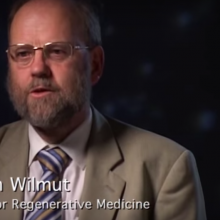
Researchers in Italy and the UK have developed a new system for turning human embryonic stem cells or induced pluripotent stem (iPS) cells into a type of brain cell affected by Huntington’s disease. By studying how the brain cells develop in nature, the researchers learned how to guide the stem cells to produce just these brain cells in a dish. We caught key members of the research team on camera explaining their new results.
TELESCOPE is a set of scenarios and discussion prompts to support a debate on the ethical questions surrounding embryonic stem cell research and its applications. The materials were developed as part of a 2-day event culminating in a video conference debate between two schools, but the activities lend themselves equally well to in-class discussion and debate.
Prior knowledge needed
Students will need an understanding of what embyronic stem cells are, how an embryo develops and what invitro fertilisation (IVF) is. You may find the following materials useful to introduce key concepts prior to using the TELESCOPE discussion cards:
T.E.L.E.S.C.O.P.E. stands for Trans-European Learning on Embryonic Stem Cells and debate Opinions on Policies in Europe. It was an initiative of the EU research project ESTOOLS, which has now closed. More information about the original event series is on the ESTOOLS website.