FAQ about stem cells and regenerative medicine - Clinical trials & stem cell treatments

A clinical trial is a research study in human volunteers to answer specific health questions.

Clinical trials are carried out in four phases:

  • Phase I and Phase II trials check on safety – they make sure the treatment does no harm to patients. 
  • Phase III or IV trials focus on assessing how effective the treatment is, and developing it into a therapy that can be made widely available.
For more detailed information about the clinical trials process, visit these websites:
Last updated: 
12 Oct 2011
Reviewed by: 

The most well-established and widely used stem cell treatment is the transplantation of blood stem cells to treat diseases and conditions of the blood and immune system, or to restore the blood system after treatments for specific cancers. The US National Marrow Donor Program has a full list of diseases treatable by blood stem cell transplant.  More than 26,000 patients are treated with blood stem cells in Europe each year.

Since the 1970s, skin stem cells have been used to grow skin grafts for patients with severe burns on very large areas of the body. Only a few clinical centres are able to carry out this treatment and it is usually reserved for patients with life-threatening burns. It is also not a perfect solution: the new skin has no hair follicles or sweat glands. Research aimed at improving the technique is ongoing.

Currently, these are the only stem cell therapies that have been thoroughly established as safe and effective treatments. Some other applications of stem cells are being investigated in clinical trials, including the use of stem cells to regenerate damaged tissues – such as heart, skin, bone, spinal cord, liver, pancreas and cornea – or to treat blood or solid-organ cancers. The majority of these trials are using mesenchymal stem cells, which are derived from sources such as fat tissue, bone marrow and connective tissue. A small proportion of the trials are using blood stem cells.

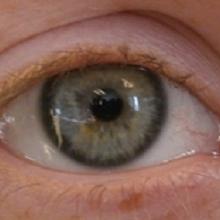
Among the most advanced clinical trials are those that aim to treat certain bone, skin and corneal diseases or injuries with a graft of tissue grown from stem cells taken from these organs. For example, stem cells from the eye can be used to grow a new cornea for patients with certain kinds of eye damage. This has already been shown to be safe and effective in early stage trials. However, further studies with larger numbers of patients must be carried out before this therapy can be approved by regulatory authorities for widespread use in Europe.

Stem cell treatments are all specialist procedures. They should be performed only in specialized centers authorized by national health authorities.

All treatments should be considered experimental until they have successfully passed all the stages of clinical trials required to test a new therapy thoroughly. Only then will the treatment be approved for widespread use.

Searchable clinical trials databases
Clinicaltrials.gov 
EU Clinical Trials Register 

For more information
Stem Cells and Diseases (US National Institutes of Health webpage)
Blood stem cells: the pioneers of stem cell research (EuroStemCell fact sheet)
Skin stem cells: where do they live and what can they do? (EuroStemCell fact sheet)
Clinical trials for stem cell therapies (academic journal article: BMC Medicine 2011, 9:52)
The road to the clinic: how basic science is turned into clinical applications (poster & slide set)

Last updated: 
6 Oct 2011
Reviewed by: 

In the first instance, we recommend that you discuss any potential treatments with your doctor.

EuroStemCell also has a clinical trials topic page and publishes regular updates on clinical trials and stem cell treatments.

To search for ongoing clinical trials - in stem cell research as well as other research areas - you can also try searching one of the clinical trials databases: the new EU Clinical Trials Register,  NIH's ClinicalTrials.gov, the World Health Organization's International Clinical Trials Registry Platform or Current Controlled Trials.  Note that not all trials are listed in these databases.

Some patient organizations also offer a platform for searching for clinical trials.

For more information about the clinical trials process, see:

Last updated: 
16 Feb 2012

In the first instance, we recommend that you discuss any potential treatments with your doctor.

The ISSCR's website A closer look at stem cell treatments provides patient-focused information that can help you evaluate potential treatments.

Information and resources provided on the site include:

  • Top Ten Things to Know about Stem Cell Treatments—what is currently possible and what is not? 
  • The Patient Handbook on Stem Cell Therapies—a take-along handbook with information to help patients and their families evaluate stem cell treatments. 
  • How Science Becomes Medicine—a description of the process that is required to develop a new medical treatment and the internationally-recognized checks that protect the rights and safety of patients. 
  • What to Ask—questions to ask providers in order to learn about a treatment’s potential risks and benefits. 
  • Submit a Clinic**NOTE: service currently suspended.** You can submit for review the names of clinics. The ISSCR will ask the clinic to provide evidence that appropriate oversight and other patient protections are in place for the treatments they offer. The ISSCR will publish online whether these clinics provide the evidence requested.


Last updated: 
2 Feb 2011