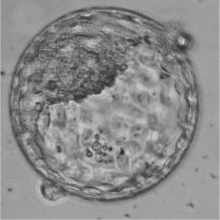
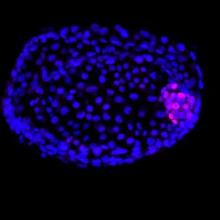
embryonic stem cells

EuroStemCell toolkit

A growing set of downloadable, mix-and-match stem cell resources and activities suitable for a variety of educational settings. All components have been extensively tested, and come with full instructions.

Available in several European languages.

Etyka i przeprogramowanie: pytania natury etycznej po odkryciu komórek iPS

Last updated:
26 Nov 2012

Przeprogramowanie pozwala nam zmienić dowolną komórkę ciała w komórkę macierzystą. To odkrycie zaskoczyło wielu naukowców i zmieniło ich sposób postrzegania rozwoju komórek macierzystych. Czy nowa technologia zmienia również dyskusję etyczną dotyczącą badań nad komórkami macierzystymi? Jakie nowe pytania powstają?

Pochodzenie, etyka i embriony: źródła, z których pochodzą ludzkie embrionalne komórki macierzyste

Last updated:
25 Jul 2011

Z jakich źródeł naukowcy pozyskują embrionalne komórki macierzyste? – to pytanie jest przyczyną kontrowersji wokół badań nad ludzkimi komórkami macierzystymi. Czy naukowcy powinni ograniczać się do embrionów pozostałych po zapłodnieniach pozaustrojowych? A może powinniśmy tworzyć embriony specjalnie w celach badawczych, maksymalizując w ten sposób nasze szanse na powodzenie?

Ethik und Reprogrammierung: ethische Fragen nach der Entdeckung von iPS Zellen

Last updated:
26 Nov 2012

Die Reprogrammierung ermöglicht es jede beliebige Zelle des Körpers in eine Stammzelle umzuwandeln. Diese Entdeckung war für viele Wissenschaftler überraschend und veränderte ihre Denkweise darüber, wie sich Zellen entwickeln. Verändert diese neue Technologie auch die ethischen Diskussionen zur Stammzellforschung? Welche neuen Fragen bringt sie mit sich? 

Embrionalne komórki macierzyste: skąd pochodzą i co potrafią?

Last updated:
28 Jun 2011

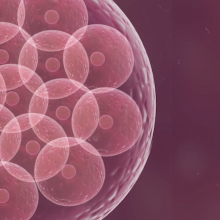
Embrionalne komórki macierzyste zawładnęły wyobraźnią zarówno naukowców, jak i osób niezwiązanych ze światem nauki. Czym jednak są te komórki, skąd pochodzą i dlaczego badacze na całym świecie pracują tak ciężko, aby dowiedzieć się o nich więcej?

Badania nad embrionalnymi komórkami macierzystymi: dylemat etyczny

Last updated:
23 Mar 2011

Embrionalne komórki macierzyste dają nadzieję na nowe rodzaje terapii, jednak wykorzystywanie ich w celach badawczych jest przedmiotem gorących dyskusji. Regulacje prawne dotyczące badań z wykorzystaniem embrionalnych komórek macierzystych są różne w poszczególnych krajach. Jeśli podczas spotkania ze znajomymi w pubie poruszymy temat komórek macierzystych, temat ten podzieli zebranych. Jednak jak dokładnie wyglądają argumenty w tej debacie i dlaczego jest to problem tak trudny do rozwiązania?

Da embrione a neurone: nuovo video realizzato da scienziati che lavorano sulle cellule staminali a Milano

Guarda questo video per saperne di più su come gli scienziati istruiscono le cellule staminali– trasformandole da cellule staminali embrionali pluripotenti a cellule neurali specializzate.

Studying Huntington’s disease using stem cells in the lab

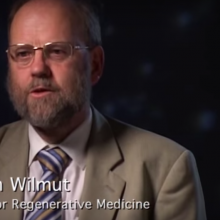
Researchers in Italy and the UK have developed a new system for turning human embryonic stem cells or induced pluripotent stem (iPS) cells into a type of brain cell affected by Huntington’s disease. By studying how the brain cells develop in nature, the researchers learned how to guide the stem cells to produce just these brain cells in a dish. We caught key members of the research team on camera explaining their new results.

TELESCOPE: Embryonic stem cell research and ethics

TELESCOPE is a set of scenarios and discussion prompts to support a debate on the ethical questions surrounding embryonic stem cell research and its applications. The materials were developed as part of a 2-day event culminating in a video conference debate between two schools, but the activities lend themselves equally well to in-class discussion and debate.

Prior knowledge needed

Students will need an understanding of what embyronic stem cells are, how an embryo develops and what invitro fertilisation (IVF) is. You may find the following materials useful to introduce key concepts prior to using the TELESCOPE discussion cards:

T.E.L.E.S.C.O.P.E. stands for Trans-European Learning on Embryonic Stem Cells and debate Opinions on Policies in Europe. It was an initiative of the EU research project ESTOOLS, which has now closed. More information about the original event series is on the ESTOOLS website.

Recherche sur les cellules souches et thérapies : types de cellules souches et leurs applications actuelles

Last updated:
17 Aug 2012

La recherche sur les cellules souches est souvent au cœur de l'actualité à propos de nouvelles thérapies ou de controverses liées aux types de cellules utilisées. Quel est le potentiel réel des cellules souches derrière l'information médiatique? Quelle est l'importance de ces cellules en tant qu'outils pour la recherche et les thérapies? Et quels sont les avantages et les limites des différents types de cellules souches dans divers domaines d'application?

Syndicate content