Stem cells are the body’s natural reservoir – replenishing stocks of specialized cells that have been used up or damaged. We all have stem cells at work inside us. Right now, inside your bone marrow, stem cells are busy making the 100,000 million new blood cells you need every single day!
We need to make new cells all the time, just to keep our body functioning. Some specialized cells, such as blood and muscle cells, are unable to make copies of themselves through cell division. Instead they are replenished from populations of stem cells.
Stem cells have the unique ability to produce both copies of themselves and other more specialized cell types every time they divide. Stem cells, therefore, are essential to the maintenance of tissues such as blood, skin, and gut that undergo continuous turnover (cell replacement), and muscle, which can be built up according to the body's needs and is often damaged during physical exertion.
Stem cells are unspecialized. Unlike a red blood cell, which carries oxygen through the blood stream, or a muscle cell that works with other cells to produce movement, a stem cell does not have any specialized physiological properties.
Stem cells can divide and produce identical copies of themselves over and over again. This process is called self-renewal and continues throughout the life of the organism. Self-renewal is the defining property of stem cells. Specialized cells such as blood and muscle do not normally replicate themselves, which means that when they are seriously damaged by disease or injury, they cannot replace themselves.
Stem cells can also divide and produce more specialized cell types. This process is called differentiationi. Stem cells from different tissues, and from different stages of development, vary in the number and types of cells that they can give rise to. According to the classical view, as an organism develops, the potential of a stem cell to produce any cell type in the body is gradually restricted.
Stem cells are found in the early embryo, the fetus, placenta, umbilical cord, and in many different tissues of the body. Recently, stem cells have also been engineered from somatic cellsi.
Stem cells are often divided into two groups: adult or tissue stem cells and embryonic stem cellsi.
Tissue stem cells (also sometimes called adult stem cells)
These stem cells are derived from, or resident in, a fetal or adult tissue, and can usually only give rise to the cells of that tissue. In some tissues, these cells sustain turnover and repair throughout life. For example, stem cells that are found in the skin will give rise to new skin cells, ensuring that old or damaged skin cells are replenished.
Embryonic stem cells
Cells derived from a small group of cells (called the inner cell mass) within the very early embryo. Human embryonic stem cells are obtained from embryos that are 5-6 days old. At the stage that embryonic stem cells are derived, the embryo is called a blastocysti, and is no bigger than a grain of sand. Embryonic stem cells thus obtained are said to be pluripotenti – they are able to form all the different types of cell in the body, including germ cellsi.
Recently, a third type of stem cell, with properties similar to embryonic stem cells, has emerged. Scientists have engineered these induced pluripotent stem cellsi (iPS cells) by manipulating the expression of certain genes - 'reprogramming' somatic cells back to a pluripotent state.
Ask your doctor for advice on what is available in your area for your disease or condition.
To search for ongoing clinical trials in stem celli research as well as other research areas, you can also try ClinicalTrials.gov or Current Controlled Trials. Note that not all trials are listed in these databases.
For more information about the clinical trials process, see:
Cloning, or somatic celli nuclear transfer (SCNT), is the technique used to produce Dolly the sheep, the first animal to be produced as a genetic copy of another adult.
In this procedure, the nucleus of an egg cell is removed and replaced by the nucleus of a cell from another adult. In Dolly’s case, the cell came from the mammary gland of an adult ewe. This nucleus contained that ewe’s DNA. After being inserted into the egg, the adult cell nucleus is reprogrammed by the host cell. The egg is artificially stimulated to divide and behave in a similar way to an embryo fertilised by sperm. After many divisions in culture, this single cell forms a blastocysti (an early stage embryo with about 100 cells) with almost identical DNA to the original donor who provided the adult cell – a genetic clone.
At this stage, cloning can go one of two ways:
Reproductive cloning
To produce Dolly, the cloned blastocyst was transferred into the womb of a recipient ewe, where it developed and when born quickly became the world’s most famous lamb. When the cloning process is used in this way, to produce a living duplicate of an existing animal, it is commonly called reproductive cloning. This form of cloning has been successful in sheep, goats, cows, mice, pigs, cats, rabbits, gaur and dogs.
Pictures of cloned animals
This form of cloning is unrelated to stem celli research. In most countries, it is illegal to attempt reproductive cloning in humans.
Therapeutic cloning
In therapeutic cloning, the blastocyst is not transferred to a womb. Instead, embryonic stem cellsi are isolated from the cloned blastocyst. These stem cells are genetically matched to the donor organism, holding promise for studying genetic disease. For example, stem cells could be generated using the nuclear transfer process described above, with the donor adult cell coming from a patient with diabetes or Alzheimer’s. The stem cells could be studied in the laboratory to help researchers understand what goes wrong in diseases like these.
Another long-term hope for therapeutic cloning is that it could be used to generate cells that are genetically identical to a patient. A patient transplanted with these cells would not suffer the problems associated with rejection.
To date, no human embryonic stem cell lines have been derived using therapeutic cloning, so both these possibilities remain very much in the future.
In most countries, it is illegal to even attempt to produce a cloned human being (reproductive cloning). Some countries, do, however, allow researchers to pursue therapeutic cloning for research in very specific circumstances. In the UK, for example, the Human Fertilisation & Embryology Authority has granted 2 licences:
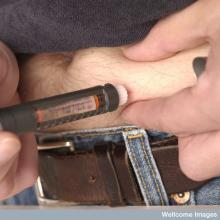
Diabetes develops when pancreatic beta cells are no longer capable of releasing the amounts of insulin needed to regulate blood glucose. It reduces the quality of life and increases the risks of serious complications for more than 170 million people worldwide.
In Type 1 (juvenile) diabetes, the body’s immune system attacks and destroys the insulin-producing beta cells in the pancreas. It can be treated by islet transplantation, where islets (containing beta cells) are taken from a donor’s pancreas and transferred to a person with the disease.
There are not enough donor organs, however, to treat more than a tiny fraction of those who suffer from Type 1 diabetes.
Researchers are investigating whether stem cells might help this problem of supply. If it were possible to generate insulin-producing beta cells from embryonic stem cellsi, for example, there would be a potentially
unlimited supply for transplantation.
Study of stem cells could also yield critical knowledge about beta cell and pancreatic development and enable researchers to regenerate beta cell function in new-onset or prediabetes stages.
One of the main objectives of European consortium BetaCellTherapy is to generate therapeutic beta cells from human embryonic stem cells.
Relevant links
Juvenile Diabetes Research Foundation International
BetaCellTherapy
Until a few years ago, scientists thought that it was impossible to repair a damaged heart. The discovery of cardiac (heart) stem cells, just over three years ago, opened up new possibilities to use stem cells to repair hearts that have been injured through heart attacks (acute myocardial infarction) or chronic disease (chronic coronary artery disease). Several studies using animal models of heart disease suggest that transplanting bone marrow stem cells into injured hearts can indeed partially repair these hearts. As a result, there are currently many ongoing clinical trials of bone marrow transplants to treat heart disease, particularly heart attacks (acute myocardial infarction).
Generally speaking, in these trials patients who have suffered a heart attack are given preparations of their own bone marrow stem cells – these are called autologous transplants. These trials have demonstrated that this treatment is safe and have recorded relative improvements in heart function. However, many scientists feel that the findings are not consistent and many questions remain as to their clinical relevance and long-term effects. Consequently, scientists feel that continued laboratory research, using animal models and cells grown in the laboratory, are needed, in order to advance in the clinical trials.
Some of the questions scientists are trying to answer include understanding exactly which cells in the bone marrow (or in the blood) are having an effect on the damaged heart. Scientists are also studying whether the bone marrow stem cells become new heart muscle cells and/or blood vessel cells, whether they stop existing heart cells from dying, or whether they release substances that stimulate the existing heart stem cells to divide and replace those that have died.
Muscular dystrophies are a group of genetic and hereditary muscle diseases characterized by defects in muscle proteins, death of muscle cells and progressive skeletal muscle weakness. Most are caused by mutations in the genes involved in muscle membrane structure and function.
In Duchenne muscular dystrophy and the related Becker’s muscular dystrophy, for example, degeneration is caused by a genetic fault in the production of a protein in muscle fibres called dystrophin.
In theory, if stem cells containing normal genes could be delivered to muscle in these muscular dystrophies, they could regenerate fully functional muscle fibres. Once at their target they would gradually produce new groups of healthy muscle cells to replace the damaged fibres.
European researchers, led by Giulio Cossu, have achieved good results in a mouse model of muscular dystrophy, using the ‘mesoangioblast’ muscle stem cell, and have recently reported successes in treating golden retriever dogs that have a mutation in their dystrophin gene.
They have also isolated similar mesoangioblast cells from biopsies of human muscle, and are testing these out in the lab, to better understand their properties and see how they might behave if transplanted. Problems still to be overcome include the efficient delivery of stem cells to their target sites, the subsequent integration and survival of the cells they give rise to, and controlling the body’s immune response to a foreign cell.
At the same time, other researchers are focused on basic research into muscle stem cells of both adult and embryonic origin – how to identify, isolate and characterize the stem cells that can generate muscle tissue. Stem cells are, of course just one avenue of research working towards a cure for muscular dystrophy.
Other projects around the world are focused on different routes – from delivering a replacement dystrophin gene to all muscles using a virus, to drug-based approaches to manufacturing a correct form of the dystrophin protein.
Relevant links
Action Duchenne - aims to offer a unique forum for sharing information and ideas in the search for a cure and better medical care for Duchenne and Becker. This link takes you directly to a blog post by Professor Terry Partridge about stem cells and muscular dystrophy.
Muscular Dystrophy Association
Association Français contre les Myopathies
EuroStemCell poster - cell therapy for muscular dystrophy
Alzheimer’s disease is caused by cell death in several areas of the brain. It is a progressive disorder that leads to loss of memory and cognitive abilities. Ultimately, Alzheimer's is fatal. There is currently no cure.
Damage to the brain in Alzheimer’s disease is widespread, making stem celli-based approaches to treatment problematic. Stem cell therapy offers greatest potential for diseases in which specific, well-known types of cell need to be replaced or helped to function correctly. In Alzheimer's disease several different groups of brain cell would need to be replaced, and scientists believe it is highly likely that the signals needed to help transplanted cells integrate into the brain may be absent in the Alzheimer brain.
Stem cells could, however, be genetically modified so as to deliver substances to the Alzheimer brain, to stop cells from dying and stimulate the function of existing cells. A recent clinical triali (Phase I) has shown this approach to be of some benefit to patients with Alzheimer’s disease, by slowing down the progression of the disease.
Relevant links:
alz.org - alzheimer's association research center - good information on the status of current research, future directions and clinical trials
Alzheimer's Society (UK)
Alzheimer Europe
In motorneuron disease (known as amyotrophic lateral sclerosis in the USA, sometimes also called Lou Gehrig’s disease) nerve cells that control movement, located both in the spinal cord and in the brain, degenerate and die. As a result, the muscles to which those nerve cells were connected eventually weaken and waste away. Patients lose their strength and the ability to move their arms, legs and body. Eventually the muscles in the diaphragm and chest wall fail, and the patient becomes unable to breathe without support.
Because nerve cells in both the spinal cord and the brain are affected in motorneuron disease, the prospect of treatment through replacement of these cells seems a distant goal. Any effective cell-replacement therapy would have to restore the function of both groups of nerve cells, and, as with other neurological disorders, ensure that the new cells become integrated into the existing circuits, so that the brain and spinal cord are able to function appropriately. For all these reasons, scientists feel that a great deal of laboratory research should be done before moving into clinical trials involving motorneuron disease patients.
Scientists believe that a more realistic approach is to use stem cells to alleviate the symptoms and even revert progression of the disease. When transplanted into the spinal cords of animals with motorneuron disease, stem cells appear to nurse the sick and injured nerve cells, preventing them from dying and improving their function. Scientists are hopeful that within the next few years they will know enough to test these treatments in patients, which they expect to be most helpful if administered shortly after diagnosis, when a patient begins to lose limb function but before paralysis sets in.
Relevant links:
The National Institute of Neurological Disorders and Stroke
Motor Neuron Disease (MND) Association
Scottish Motor Neuron Disease Association
Multiple sclerosis is an inflammatory autoimmune disease whereby the patient’s immune system destroys the protective sheath (called myelin) that envelops and protects the nerves. As a result, the flow of information in the brain and spinal cord is interrupted. Ultimately, the actual nerve cells are affected and die. Patients with multiple sclerosis show a variety of symptoms involving the nervous system, including spasms, difficulty walking, bladder and bowel problems and fatigue.
There are two concurrent components to any successful therapeutic approach to multiple sclerosis. One is to prevent damage to the central nervous system by interfering with inflammation and/or the immune system’s attack on the nerves; the other is to repair the existing damage.
Stem cells are potentially useful in both components. Clinical trials in which patients have received transplants of blood stem cells from their own bone marrow or blood have shown some benefits: a proportion of patients did not progress in the disease; others showed no improvement and others regressed. In all trials, participants went through intensive treatments to suppress their immune systems before being given the transplants.
Research using animal models has shown that it is possible to re-myelinate damaged nerves, by transplanting very young ensheathing cells (so-called precursor cells), made from embryonic stem cellsi or adult neural (brain) stem cells. However, other animal studies show that the improvements seen after injecting neural stem cells are due mainly to effects of the cells on suppressing inflammation and may, therefore, not be long-lasting. Furthermore, the inflammatory environment could destroy the transplanted ensheathing cells, which would make it necessary to treat patients with immunosupressant or anti-inflammatory drugs.
Scientists know that in the early stages of multiple sclerosis, the existing myelinating cells are able to offer some spontaneous remyelination. An important area of research is focused on finding ways to enhance remyelination from these cells.
Relevant links:
The European Multiple Sclerosis Platform
The Multiple Sclerosis Society
Multiple Sclerosis Trust
The National Insitute of Neurological Disorders and Stroke
Parkinson's disease occurs as a result of a gradual loss of a specific type of nerve cell, located in an area of the brain called the substantia nigra. These nerve cells produce a natural chemical called dopamine (they are called dopaminergic neurons). The lack of dopamine makes patients with Parkinson’s disease have difficulty in moving freely, holding a posture, talking and writing.
Stem celli-based therapies for Parkinson's disease are not yet a routine clinical procedure. Scientists are agreed that more information is needed about the causes of Parkinson’s disease and the biology of stem cells before safe, effective and long-lasting therapies can be developed.
Because a single, well-identified type of cell is affected in Parkinson’s disease, stem cells offer great potential for treatment. The basis for such treatment would be to replace the cells that have died with other identical dopaminergic neurons. These dopaminergic neurons can readily be obtained from embryonic stem cellsi in the laboratory, but there are still ethical and technical hurdles to using this source.
Dopaminergic neurons can also be obtained from fetal brain tissue. You may be aware of clinical trials where fetal brain tissue was transplanted into the brains of Parkinson's disease patients. These trials provide proof-of-principle for the approach, since in a few of these trials major and long-lasting improvements were seen in some patients. The trials also emphasized several issues that need to be resolved, one of which is the need to produce large amounts of pure, uniform cells for transplantation into patients. Recent findings also highlight a further concern about cell transplantation therapies. The fetal transplants that some patients received began to show signs of being affected by Parkinson's diease. This showed that the disease from the patient was transmitted to the tranplanted fetal cells.
Stem cells could also help Parkinson's patients by contributing to the discovery of novel drugs, which would have a much wider impact than cell therapies. We can now get embryonic-like stem cells from adults through a method called "reprogramming". By reprogramming a sample of adult, specialised cells from a patient, we can make so-called induced pluripotent stem (iPS) cellsi. These iPS cells can make any type of cell found in the body, including dopaminergic neurons. Scientists are now making iPS cells from people with Parkinson’s disease and using them to produce neurons in the laboratory. The aim is to learn more about why these nerve cells die in Parkinson's disease, and to use the cells to test for substances that could be developed into new drugs.
Relevant links:
Micheal J. Fox Foundation
Parkinson’s UK
The National Institute for Neurological Disorders and Stroke
European Parkinson’s Disease Association
Stroke is caused by a blockage of the blood supply to a region of the brain (ischaemic stroke) or when a blood vessel in the brain bursts, spilling blood into the spaces surrounding brain cells (haemorrhagic stroke). Brain cells die when they no longer receive oxygen and nutrients from the blood or there is sudden bleeding into or around the brain. Depending on the area of the brain that is affected, several functions may be impaired, including walking, talking and cognitive ability.
Stem cells are not currently used for treatment of stroke. Cells from fetal brain, bone marrow, umbilical cord blood, and embryonic tumours have yielded some improvements when transplanted into animal models of stroke. In a clinical triali in which patients received implants of nerve cells generated from a human embryonic tumour, some of the patients showed short-term improvements. In most of these cases, the transplanted cells acted by releasing substances that enhanced the survival of existing cells.
One of the favoured approaches to long-term, effective stem cell therapy for stroke is to transplant neural (brain) stem cells into patients. Ideally, these cells, generated from either embryonic or fetal brain stem cells, would then specialize into the cells that have died in the affected area of the brain. In several studies using animal models the new cells were able to move to the affected area, replace the dead cells, survive, connect to existing healthy cells and re-establish the damaged circuits of the brain.
In January 2009, UK company ReNeuron announced it had UK regulatory approval to start a Phase I clinical study of its neural stem cell treatment, which is designed to regenerate portions of the brain impaired by ischaemic stroke. The trial will test the safety of this treatment, which involves the injection of cells from derived from human fetal tissue directly into patients' brains. It is due to start mid-2009 in Glasgow with four groups of three patients over the next two years.
Another approach to stem cell therapy for stroke could be to stimulate the stem cells naturally present in the brains of stroke patients, so that they could generate replacements for the dead cells. Scientists are testing several substances for their effect on stimulating the existing stem cells.
Relevant links:
Stroke Alliance for Europe - listing of European patient organizations
The Stroke Association
The Stroke Trials Directory of the Internet Stroke Center
The National Institute of Neurological Disorders and Stroke
Stem cells hold potential for treating spinal cord injuries. Based on the findings from a large number of animal studies, scientists are working on the ways that stem cells may contribute to spinal cord repair:
California-based biotech company Geron announced last week (23 Jan 2009) that it has received clearance from the U.S. Food and Drug Administration (FDA) to begin trials for the world's first clinical study of a human embryonic stem cell-based therapy. Geron plans to initiate a Phase I multicentre clinical triali in up to 10 patients recently paralysed due to spinal cord injury. The trial is designed to establish the safety of the treatment, which involves a spinal injection of embryonic stem cellsi coaxed to become nerve cells. For more information about this trial, see the Geron website.
Nasal cavity stem cellsOther studies have shown that cells in the lining of the nasal cavity help regenerate spinal injuries when transplanted into the spinal cords of injured rats. Researchers are planning to transfer this approach to patients with a specific type of spinal cord injury, called brachial plexus avulsion, within two to three years' time. In this type of injury, which occurs most commonly in motorcycle accidents, the nerves of the arm are separated from the spinal cord, resulting in paralysis of the arm.
Relevant links:
Geron's GRNOPC1 clinical trial
Professor Geoffrey Raisman's research page - using cells in the lining of the nasal cavity for spinal cord regeneration
The National Institute of Neurological Disorders and Stroke
European Spinal Cord Injury Federation
Increasingly, advances in spinal cord injury (SCI) research are finding their way into clinical practice. Many experimental therapies, some of which involve stem cells, are currently undergoing clinical trials or are preparing to enter the clinical trial phase of their development. To help those considering participation in a clinical trial, a panel of researchers and doctors with extensive experience in SCI have, though the ICCP (International Campaign for Cures for spinal cord injury Paralysis), developed an easy-to-read 40-page guide for people with spinal cord injury, their families, friends and caregivers.
This booklet, Experimental Treatments for Spinal Cord Injuries: What you should know if you are considering participation in a clinical trial, is freely available for download in English, Spanish, German, Japanese and Chinese from the ICORD website.
The EU's 25 member states take different regulatory positions on human embryonic stem celli research, reflecting the diversity of ethical, philosophical and religious beliefs throughout Europe. These differences are reflected in the laws of each country, summarised in this table.
Belgium has a similar legal position to the UK – allowing the procurement of human embryonic stem cellsi from surplus IVF embryos and, in particular circumstances (e.g. to study a particular serious disease), the creation of human embryos for the procurement of human embryonic stem cells.
At the other end of the spectrum, Germany and Italy prohibit the procurement of human embryonic stem cells from human embryos, while Austria, Bulgaria, Cyprus, Ireland, Lithuania, Luxembourg, Malta, Poland, Romania and Slovakia have no specific legislation at all in this area.
European diversity has led to vigorous debate when funding for embryonic stem cell research is discussed. In July 2006, European Ministers agreed to fund some elements of human embryonic stem cell research - allowing scientists in countries where human embryo experiments are legal to apply for funding for this work through the Framework Seven research programme.
Several European Directives, as well as the Convention on Human Rights and Biomedicine (1997) are also relevant to human embryonic stem cell research. These
regulations, especially as they relate to stem cell banking and databases, were discussed at EuroStemCell's workshop on the Ethical aspects of stem cell repositories and databases.
See also
ISSCR summary of stem cell policies in Europe
In the US, legislation and funding for stem celli research are closely entwined. At a federal level, scientists can't use government money to create new embryonic stem celli lines. All publicly funded work is confined to the 61 stem cell lines already in existence in 2001, when the ban on deriving new lines was implemented.
In July 2006 President Bush vetoed a Bill lifting that ban, based on his opposition to the use of public funds for projects involving the destruction of human embryos - the first time in his presidency he had refused to sign into law a Bill approved by Congress. Individual states have the authority to pass laws to permit human embryonic stem cell research using state funds. Several states have changed their legislation accordingly, including Connecticut, Massachusetts, California, and Illinois. This has enabled the establishment of California's $3 billion Institute for Regenerative Medicine.
Private funding of embryonic stem cell research in the US has never been prohibited – leaving this sector largely unregulated.
See also
ISSCR summary of stem cell policies in the US, including state-by-state breakdown.
Try these web pages for starters
Global positions in stem cell research – compiled by the UK Stem Cell Initiative
World stem cell policy map
The Hinxton Group - An International Consortium on Stem Cells, Ethics and Law
Umbilical cord blood is useful for research. For example, researchers are investigating the potential of haematopoietic (blood) stem cells in cord blood to become other specialised cells - such as those of the nervous system, or insulin-producing cells of the pancreas. The umbilical cord blood used in research comes from consenting mothers undergoing elective Caesarian sections. If the hospital where you are giving birth is involved in any such research, and you are having an elective Caesarian, you may be asked to consent to donating your baby’s cord blood.
Cord blood can also be donated altruistically for clinical use. Since 1989, umbilical cord blood transplants have been regularly used to treat children who suffer from leukaemia, anaemias and other blood diseases. In the UK, several NHS facilities within the National Blood Service harvest and store altruistically donated umbilical cord blood. Trained staff, working separately from those providing care to the mother and newborn child, collect the cord blood.
Cord blood in public banks is available to unrelated patients who need haematopoietic stem cell transplants. The NHS bank also collects and stores umbilical cord blood from children born into families affected by or at risk of a disease for which haematopoietic stem cell transplants may be necessary - either for the child, a sibling or a family member.
Relevant links
NHS Cord Blood Bank - includes comprehensive FAQ on cord blood donation
Royal College of Obstetricians and Gynaecologists - information for parents on cord blood banking
Cord blood can be stored in public or private (commercial) cord blood banks.
In the UK, for example, the NHS Cord Blood Bank has been collecting and banking altruistically donated umbilical cord blood since 1996. The cord blood in the public banks like this is stored indefinitely for possible transplant, and is available for any patient that needs this special tissue type. There is no charge to the donor but the product is not stored specifically for that person or their family.
Companies throughout Europe also offer commercial banking of umbilical cord blood. A baby's cord blood is stored in case they or a family member develop a condition that could be treated by a cord blood transplant. Typically, companies charge an upfront collection fee plus an annual storage fee.
The main arguments against commercial banking have to do with the very small likelihood that the cord blood will ever be used by the child, a sibling or a family member; the existence of several well-established alternatives to cord blood transplantation and the lack of scientific evidence that cord blood may be used to treat non-blood diseases (such as diabetes and Parkinson’s disease). In some cases patients may not be able to receive their own cord blood, as the cells may already contain the genetic changes that predispose them to disease.
Read more:
Leukaemia Research - information about cord blood harvesting and storage, and additional links
Umbilical Cord Blood Banking - an opinion paper by the Royal College of Obstetricians and Gynaecologists’ Scientific Advisory Committee
Cord blood banking: information for parents - based on the opinion paper above
Public v Private Cord Blood Banks - on the NHS Cord Blood Bank website
Parents' Guide to Cord Blood Banks - aims to educate parents with accurate and
current information about cord blood medical research and cord blood storage options
Ethical Aspects of Umbilical Cord Blood Banking - opinion of the European Group on Ethics in Science and New Technologies (2004)
Umbilical cord blood is a rich source of haematopoietic (blood) stem cells. These cells are able to make the different types of cell in the blood - red blood cells, white blood cells and platelets. Haematopoietic stem cells, purified from bone marrow or blood, have long been used in stem cell treatments for leukaemia, blood and bone marrow disorders, cancer (when chemotherapy is used) and immune deficiencies.
Since 1989, haematopoietic stem cell transplants using umbilical cord blood have successfully treated children with leukaemia, anaemias and other blood diseases. Researchers are now looking at ways of increasing the number of these stem cells obtained from cord blood, so that they can be used to routinely treat adults too.
Beyond these blood-related disorders, we still have much to learn about the therapeutic potential of umbilical cord blood stem cells. Scientists agree that clinical trials are needed. One clinical trial in the USA, for example, is looking at the efficacy of treating children with type 1 diabetes with stem cells from their own stored umbilical cord blood.
There have been several reports describing how stem cells in umbilical cord blood are able to become other types of cells (such as nerve cells). Other reports claim that umbilical cord blood contains embryonic stem celli-like cells. Either finding would increase the therapeutic potential of umbilical cord blood considerably; however both need to be confirmed independently before umbilical cord stem cells can be used in therapy for other, non-blood diseases.
Relevant links:
Selling the Stem Cell Dream - an article in the journal Science about untested cell therapies, including those using umbilical cord blood (subscription required).
Les cellules souches sont présentes dans l'embryon, le fœtus, le placenta, le cordon ombilical et de nombreux tissus de l'organisme. Récemment, des cellules souches ont également été produites à partir de cellules somatiques spécialisées.
Les cellules souches sont souvent reparties en deux groupes: les cellules souches adultes ou de tissus et les cellules souches embryonnaires.
Les cellules souches de tissus (également appelées cellules souches adultes)
Ces cellules souches sont dérivées ou résident au sein d'un tissu fœtal ou adulte et ne peuvent généralement donner naissance qu'à des cellules de ce tissu. Dans certains tissus, ces cellules assurent le renouvellement et la réparation tout au long de la vie. Par exemple, les cellules souches présentes dans la peau produisent de nouvelles cellules assurant le remplacement des cellules âgées ou endommagées de la peau.
Les cellules souches embryonnaires
Les cellules souches embryonnaires proveniennent d'un petit groupe des cellules appelé masse cellulaire interne provenant de l’embryon au tout debut de son développement. Les cellules souches embryonnaires humaines sont obtenues à partir d'embryons âgés de 5-6 jours. Au stade pendant lequel les cellules souches embryonnaires sont obtenues, l'embryon est appelé blastocyste et il n’est pas plus gros qu'un grain de sable. Les cellules souches embryonnaires ainsi obtenues sont considérées comme pluripotentes puisqu’elles sont capables de former la totalité des différents types cellulaires de l’organisme y compris les cellules germinales.
Récemment, un troisième type de cellule souche présentant des propriétés similaires aux cellules souches embryonnaires a été produit. Des scientifiques ont conçu ces cellules souches pluripotentes induites (cellules IPSi) en manipulant l'expression de certains gènes activant ainsi la "re-programmation" des cellules somatiques à un état pluripotent.
Les cellules souches peuvent être utilisées pour étudier le développement
Les cellules souches peuvent nous aider à comprendre comment un organisme complexe se développe à partir d’un ovule fécondé. En laboratoire, les scientifiques peuvent suivre les cellules souches au cours de leurs divisions et de leur spécialisation progressive en cellules de la peau, des os, du cerveau ou d'autres types cellulaires. L’identification des signaux et des mécanismes qui déterminent le choix d'une cellule souche de continuer à s’autoreproduire ou à se différencier en un type cellulaire spécialisé, nous aidera à comprendre les processus qui contrôlent le développement normal.
Certaines maladies graves, comme le cancer et les malformations congénitales, sont dues à des anomalies de la division cellulaire et de la différenciation. Une meilleure compréhension des contrôles génétiques et moléculaires de ces processus peut fournir des informations sur la façon dont ces maladies apparaisent et proposer de nouvelles stratégies thérapeutiques. Ceci est un objectif important de la recherche sur les cellules souches. Cette affiche créée par le Dr. Fiona Watt (EuroStemCell) donne un aperçu des découvertes scientifiques dans ce domaine à ce jour (Décembre 2006).
Les cellules souches ont la capacité de remplacer les cellules endommagées et de traiter des maladies
Cette propriété est déjà utilisée dans le traitement des brûlures graves et le rétablissement du système sanguin chez les patients atteints de leucémie et d'autres maladies du sang.
Les cellules souches peuvent également remplacer les cellules manquantes dans beaucoup d'autres maladies dévastatrices pour lesquelles il n'existe actuellement aucun traitement durable. Aujourd'hui, les dons de tissus et d'organes sont souvent utilisés pour remplacer les tissus endommagés, mais la demande dépasse largement l'offre. Si les cellules souches peuvent se différencier en un type cellulaire spécifique, elles offrent la possibilité d'une source inépuisable de cellules et de tissues de remplacement pour traiter des maladies comme celle de Parkinson, les accidents vasculaires cérébraux, les maladies cardiaques et le diabète. Cette perspective est attrayante, mais les importantes difficultés techniques qui subsistent ne seront surmontées que par des années de recherche intensive.
Les cellules souches pourraient être utilisées pour étudier les maladies
Il est souvent difficile d'obtenir les cellules endommagées chez un patient afin d’étudier en détail les méchanismes à la base d’une maladie. Les cellules souches, soit porteuses d’un gène défectueux, soit conçues par modification génétique pour contenir des gènes de maladies, offrent une alternative viable. Les scientifiques pourraient utiliser ces cellules souches comme modèles cellulaires pour étudier en laboratoire le processus d’une maladie et ainsi mieux comprendre ses origines.
Les cellules souches pourraient fournir une ressource pour les essais de nouveaux traitement
La sécurité de nouveaux médicaments pourrait être testée en utilisant des cellules spécialisées, produites en grand nombre à partir de lignées de cellules souches, ce qui réduirait la nécessité de pratiquer des tests animaux. D'autres types de lignées cellulaires sont déjà utilisés à cet effet. Par exemple, certaines lignées de cellules cancéreuses sont utilisées pour tester de nouveaux médicaments contre les tumeurs.
Les dystrophies musculaires font partie d'un groupe de maladies génétiques et héréditaires caractérisées par des défauts dans des protéines musculaires entraînant la mort de cellules musculaires et l'affaiblissement progressif des muscles squelettiques. La plupart sont dues à des mutations de gènes impliqués dans la fonction et la structure des membranes des muscles.
Par exemple, dans le cas de la dystrophie musculaire de Duchenne (ou myopathie de Duchenne) et la dystrophie musculaire de Becher, la dégénérescence est provoquée par un problème génétique dans la production de dystrophine, une protéine des fibres musculaires.
En théorie, si des cellules souches contenant des gènes normaux pouvaient être vehiculées aux muscles atteints par ces dystrophies, elles pourraient régénérer des fibres musculaires fonctionnelles. Une fois leur cible atteinte, ces cellules souches produiraient progressivement de nouveaux groupes de cellules musculaires saines pour remplacer les fibres endommagées.
Des chercheurs européens, dirigés par Prof. Giulio Cossu, ont obtenu des résultats encourangeants dans un modèle de dystrophie musculaire chez la souris, en utilisant des ‘mesoangioblastes', un type de cellules souches du muscle. Récemment, ces chercheurs ont réussi à traiter des chiens ‘golden retriever' portant une mutation dans le gène de la dystrophine.
Ces chercheurs ont également isolé des mesoangioblastes similaires à partir de biopsies de muscle humain et sont actuellement en train de les étudier en laboratoire afin de mieux comprendre leurs propriétés et d'évaluer leur comportement après une éventuelle transplantation. Parmi les problèmes qui restent à surmonter sont l'efficacité du transport des cellules souches vers leurs cibles, l'intégration et la survie de leurs cellules descendantes ainsi que le contrôle de la réponse immunitaire à une cellule étrangère.
En même temps, d'autres équipes se concentrent sur la recherche fondamentale sur les cellules souches musculaires d'origine embryonnaire et adulte, en essayant de mieux comprendre comment identifier, isoler et caractériser les cellules souches capables de générer du tissu musculaire. Évidemment, les cellules souches sont juste une voie de recherche parmi d'autres vers un traitement pour la dystrophie musculaire.
D'autres projets à travers le monde sont axés sur différentes voies, qui vont du transfert du gène de la dystrophine dans tous les muscles par un virus, jusqu'à des approches basées sur la fabrication industrielle de la proteine dystrophine sous forme de médicament.
Liens utiles
Parent Project
Muscular Dystrophy Association
Association Français contre les Myopathies
Dans la maladie des motoneurones (connue aussi sous les noms de sclérose latérale amyotrophique ou maladie de Lou Gehrig aux États-Unis), les cellules nerveuses qui contrôlent le mouvement et qui sont situées dans la moelle épinière et le cerveau, dégénèrent et meurent. Par conséquent, les muscles auxquels ces neurones sont connectés finissent par s'affaiblir et dépérissent. Les patients perdent leur force et la capacité de bouger leurs bras, leurs jambes et leurs corps. À terme, les muscles du diaphragme et de la paroi thoracique ne fonctionnent plus et le patient devient incapable de respirer sans soutien.
Puisque les cellules nerveuses tant dans la moelle épinière que dans le cerveau sont affectées par la maladie des motoneurones, la perspective de traitement par le remplacement de ces cellules semble un objectif à long terme. Une thérapie efficace par remplacement de cellules devrait réussir à restituer la fonction de ces deux groupes de cellules nerveuses. En outre, comme dans d'autres cas de maladies neurologiques, la thérapie doit garantir que les nouvelles cellules s'intègrent dans les circuits neuronaux existants afin que le cerveau et la moelle épinière soient capables de fonctionner de façon appropriée. Pour toutes ces raisons, les scientifiques estiment que de nombreux travaux de recherche fondamentale sont nécessaires avant de procéder à des essais cliniques impliquant des patients atteints de la maladie des motoneurones.
Les scientifiques sont convaincus qu'une approche plus réaliste serait d'utiliser des cellules souches pour atténuer les symptômes et ralentir la progression de la maladie. Lorsque des cellules souches transplantées dans la moelle épinière d'animaux atteints de la maladie des motoneurones, elles semblent avoir une action « protectrice » sur les cellules nerveuses malades ou endommagées, les empêchant de mourir et améliorant leur fonctionnement. Les scientifiques éspèrent que d'ici quelques années, les connaissances seront suffisantes pour pouvoir tester ces traitements chez les patients. De plus, ces traitements seront plus éfficaces s'ils sont administrés peu de temps après le diagnostic, lorsque le patient commence à perdre la fonction de ses membres, mais avant que la paralysie s'installe.
Liens utiles
The National Institute of Neurological Disorders and Stroke
Motor Neuron Disease (MND) Association
Scottish Motor Neuron Disease Association
Liens utiles
The European Multiple Sclerosis Platform
The Multiple Sclerosis Society
Multiple Sclerosis Trust
The National Insitute of Neurological Disorders and Stroke
Liens utiles
La Fédération Française des Groupements de Parkinsoniens
European Parkinson’s Disease Association
The National Institute for Neurological Disorders and Stroke (US)
Les accidents vasculaires cérébraux (AVC, appelé aussi « attaque cérébrale ») sont provoqués par un blocage de l'apport sanguin vers une région du cerveau. Quand un tel blocage se produit, les cellules du cerveau dans cette région sont privées d'oxygène (une situation appelée ischémie) et de substances nutritives et finissent par mourir. En fonction de la région du cerveau affectée, plusieurs fonctions peuvent être diminuées, comme la fonction motrice, linguistique ou cognitive.
Actuellement, les cellules souches ne sont pas utilisées pour le traitement de l'AVC. Des cellules du cerveau foetal, de la moelle osseuse, du sang de cordon ombilical et de tumeurs embryonnaires ont permis certaines améliorations lorsqu'elles ont été transplantées chez des animaux modèles d'AVC. Dans un essai clinique où les patients ont reçu des greffes de cellules nerveuses produites à partir d'une tumeur embryonnaire humaine, certains ont montré des améliorations à court terme. Dans la plupart des cas, ces améliorations sont dues à la libération de substances qui améliorent la survie des cellules existantes plutôt qu'à une régénération.
Une des approches privilegiées pour une thérapie efficace et durable de l'AVC par des cellules souches est de transplanter des cellules souches neurales (du cerveau) chez le patient. Idéalement, ces cellules, produites à partir de cellules souches embryonnaires ou des cellules souches neurales foetales, se spécialiseraient pour remplacer les cellules mortes dans la région affectée du cerveau. Dans plusieurs études utilisant des modèles animaux, les nouvelles cellules sont capables de se déplacer vers la région affectée, de remplacer les cellules mortes, de survivre, de se connecter à des cellules saines et de rétablir les circuits endommagés du cerveau.
Une autre approche de thérapie pour les AVC pourrait être de stimuler les cellules souches naturellement présentes dans le cerveau des patients de façon à produire des nouvelles cellules en remplacement des cellules mortes. Les scientifiques testent actuellement plusieurs substances pour leur effet stimulant sur les cellules souches existantes.
Liens utiles
France AVC
The Stroke Trials Directory of the Internet Stroke Center
Aux Etats-Unis, les scientifiques envisagent de commencer un essai clinique afin d'étudier la sécurité ainsi que les avantages d'utiliser un type de cellules nerveuses (appelées oligodendrocytes) fabriquées à partir de cellules souches embryonnaires humaines dans les cas de lésions récentes de la moelle épinière. Ils ont obtenu des résultats prometteurs en utilisant ces cellules chez des rats modèlisant des lésions de la moelle épinière et si une licence est accordée par l'autorité de l' « American Food and Drug Administration », ils espèrent tester cette thérapie chez un nombre limité de patients.
D'autres études ont montré que les cellules de la cavité nasale aident à la régénération de la moelle épinière lorsqu'elles sont transplantées dans la moelle épinière lésée de rat. Les chercheurs envisagent d'appliquer cette approche chez des patients ayant un type spécifique de lésion de la moelle épinière, appelé « avulsion du plexus brachial » d'ici deux à trois ans. Dans ce type de blessure qui survient le plus souvent dans les accidents de moto, les nerfs du bras sont séparés de la moelle épinière, entraînant une paralysie du bras.
Liens utiles
Association des Paralysés de France
Le sang de cordon peut être stocké dans de banques de sang de cordon publiques ou privées (commerciales).
Par example, au Royaume-Uni, la Banque NHS récolte et stocke gratuitement le sang de cordon ombilical donné altruistement depuis 1996. Dans les banques publiques comme celle-ci, le sang de cordon est stocké indéfiniment en vue d'une éventuelle transplantation et est disponible pour tout patient qui en a besoin. Il n'y a pas de frais pour le donateur, mais le produit n'est pas stocké spécifiquement pour cette personne ou pour sa famille.
Des compagnies dans toute l'Europe peuvent également assurer le stockage commercial de sang de cordon ombilical. Le sang de cordon d'un bébé est stocké au cas où celui-ci ou un membre de sa famille développe une maladie qui pourrait être traitée par une greffe de sang de cordon. En règle générale, les entreprises demandent une somme initiale pour la collecte et une somme annuelle pour le stockage du sang.
Les principaux arguments contre les banques commerciales concernent la très faible probabilité que le sang de cordon sera nécessaire un jour à l'enfant, un frère/une sœur ou un membre de la famille, l'existence de plusieurs alternatives à la greffe de sang de cordon et le manque de preuves scientifiques que le sang de cordon puisse être utilisé pour traiter des maladies non liées au sang (comme le diabète et la maladie de Parkinson). Dans certains cas, les patients ne peuvent pas recevoir leur propre sang de cordon, car les cellules contienent déjà les modifications génétiques qui prédisposent à la maladie.
En savoir plus:
Aspects éthiques des banques de sang du cordon ombilical - avis du Groupe européen d'éthique des sciences et des nouvelles technologies (2004)
Leukaemia Research - informations sur la récolte de sang de cordon et le stockage, ainsi que d'autres liens utiles
Umbilical Cord Blood Banking - Une opinion publiée par le "Royal College of Obstetricians and Gynaecologists' Scientific Advisory Commitee"
Public v Private Cord Blood Banks - sur le site web de la banque de sang de cordon NHS
Le distrofie muscolari rappresentano un gruppo di malattie genetiche ereditarie caratterizzate da difetti nelle proteine dei muscoli, con conseguente morte delle cellule muscolari e progressiva diminuzione della forza dei muscoli scheletrici. Molte di queste distrofie sono causate da mutazioni nei geni coinvolti nella realizzazione della struttura e della funzionalità delle membrane dei muscoli.
Ad esempio, nel caso della distrofia muscolare di Duchenne, e nella correlata distrofia muscolare di Becker, la degenerazione muscolare è dovuta ad un problema genetico che impedisce la produzione di una proteina delle fibre muscolari detta “distrofina”.
Teoricamente, se fosse possibile introdurre cellule staminali contenenti il gene sano nelle fibre muscolari dei pazienti affetti da questo tipo di distrofie muscolari, si potrebbero rigenerare fibre muscolari pienamente funzionanti. Una volta raggiunto il loro bersaglio, tali cellule staminali darebbero gradualmente origine a nuovi gruppi di cellule muscolari sane per ricostruire le fibre danneggiate.
Alcuni ricercatori europei, guidati dal Prof. Giulio Cossu, sono riusciti ad ottenere ottimi risultati in un modello murino di distrofia muscolare utilizzando cellule staminali muscolari denominate “mesoangioblasti”. Recentemente, gli stessi ricercatori sono riusciti anche a curare dei cani golden retriever che hanno una mutazione nel loro gene della distrofina.
I ricercatori hanno anche isolato con successo simili mesoangioblasti da biopsie di muscoli umani e li stanno studiando in laboratorio per analizzarne le caratteristiche e per valutarne il comportamento in seguito a trapianto. Ci sono però ancora alcuni aspetti da approfondire, quali le modalità di somministrazione più sicure ed efficienti, l’integrazione e la sopravvivenza di queste cellule ed il controllo della risposta immunitaria dell’organismo verso le cellule estranee trapiantate.
Nel contempo, gli scienziati si stanno occupando di approfondire aspetti biologici di base delle cellule staminali muscolari, fetali ed adulte, cercando di capire meglio come identificarle, purificarle e caratterizzarne a fondo la capacita’ di generare tessuto muscolare. Bisogna infine sottolineare che le cellule staminali rappresentano solo una delle possibili vie di cura che la ricerca sta esplorando per arrivare ad una cura effettiva delle distrofie muscolari.
Altri progetti di ricerca nel mondo stanno sondando strategie alternative basate sulla sostituzione del gene della distrofina malato con la versione sana. Il gene sano viene veicolato al muscolo tramite l’utilizzo di virus specializzati oppure si potrebbero sviluppare approcci farmacologici per indurre la produzione di una forma di distrofina corretta da parte delle fibre malate.
Link di possibile interesse
Parent Project
Muscular Dystrophy Association
Association Français contre les Myopathies
Link di possibile interesse
Stroke Alliance for Europe - listing of European patient organizations
The Stroke Association
The Stroke Trials Directory of the Internet Stroke Center
The National Institute of Neurological Disorders and Stroke
Link di possibile interesse
The National Institute for Neurological Disorders and Stroke
European Parkinson’s Disease Association
Parkinson’s Disease Society (UK)
Link di possibile interesse
The European Multiple Sclerosis Platform
The Multiple Sclerosis Society
Multiple Sclerosis Trust
The National Insitute of Neurological Disorders and Stroke
Link di possibile interesse
The National Institute of Neurological Disorders and Stroke
Motor Neuron Disease (MND) Association
Scottish Motor Neuron Disease Association
Il Morbo di Alzheimer è una forma di demenza causata dalla morte di cellule neuronali in varie regioni del cervello. E’ una patologia progressiva nel corso della quale i pazienti colpiti perdono gradualmente la memoria e le capacità cognitive, portando spesso a morte prematura.
Il danno presente nei cervelli di soggetti affetti da Morbo di Alzheimer è estremamente esteso, rendendo un approccio basato sulle cellule staminali alquanto problematico. La terapia basata sulle cellule staminali può infatti offrire il più alto potenziale di successo solo nel caso di malattie in cui la perdita, o la disfunzione, è ristretta ad uno specifico e ben conosciuto tipo di cellula. Nel caso del Morbo di Alzheimer si dovrebbero sostituire diversi gruppi di cellule del cervello. Inoltre, gli scienziati credono che i segnali necessari per ottenere una corretta integrazione funzionale delle cellule dopo il trapianto possano non essere più presenti in un cervello affetto da Morbo di Alzheimer.
Tuttavia, le cellule staminali potrebbero essere modificate geneticamente affinché producano e rilascino sostanze benefiche nel cervello di un paziente affetto da Morbo di Alzheimer, in modo da arrestare la morte cellulare e stimolare la corretta funzionalità delle cellule residue. Una recente sperimentazione clinica (in Fase I) ha dimostrato che un approccio di questo tipo può apportare dei benefici a pazienti affetti da Morbo di Alzheimer, rallentando la progressione della malattia.
Link di possibile interesse
Alzheimer's Society (UK)
Alzheimer Europe
Link di possibile interesse
Professor Geoffrey Raisman's research page - using cells in the lining of the nasal cavity for spinal cord regeneration
The National Institute of Neurological Disorders and Stroke
European Spinal Cord Injury Federation
| © Copyright 2008-2010 EuroStemCell and contributing authors |