piano lezioni

EuroStemCell toolkit

A growing set of downloadable, mix-and-match stem cell resources and activities suitable for a variety of educational settings. All components have been extensively tested, and come with full instructions.

Available in several European languages.

CSI: Cell science investigatore

Ultimo aggiornamento:
20 Lug 2012

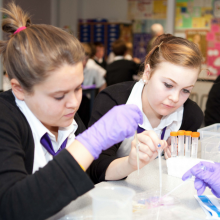
Ragazzi di 12-14 anni esplorano come possono essere utilizzate le cellule staminali al giorno d’oggi, e conducono un esperimento modello per individuare nuovi farmaci.

Questa lezione è stata realizzata per seguire Alla scoperta delle cellule staminali, attività che introduce le proprietà di base delle cellule staminali. Questa nuova lezione è già stata tenuta in 6 classi di studenti; adesso ci piacerebbe che foste voi ad utilizzarla. Lasciate un vostro commento qui sotto o contattateci per farci avere il vostro feedback

Stem cell treatments and ethics: discussion lesson

Ultimo aggiornamento:
21 Gen 2013

A discussion lesson for 12-14 year olds on ethical or societal dilemmas about the use of new stem cell treatments.

Who should be allowed life-changing new treatments? When should patients be given experimental treatments? How do we weigh up the risks and benefits? And who decides?

Stem cell research policy lesson plan: create an advocacy brochure

In this lesson, students will:

  • Explain what stem cells are, where they are found, and how they may be used. 
  • In small groups, create diagrams and glossaries to illustrate their knowledge of stem cells.
  • Evaluate and defend or attack President Obama's ruling on federal spending for stem cell research, using authentic news stories.

Stem cells: the ethical matrix

In this activity you will first produce an ethical matrix and then use it as a tool to discuss some ethical issues surrounding stem cells.

An extract from the BBSRC publication Stem cells - science and ethics (3rd edition).

CIRM- five lesson plans for secondary schools

Each of the five units begins with a list of the learning standards that can be taught using the materials, including lesson plans, power points, videos, background information for teachers, interactive activities, assessment tools and separate glossaries for teachers and students.

Bioethical Dimensions: Embryonic Stem Cell Research

In this module, students will explore the scientific, conceptual, and ethical implications of embryonic stem cell research. Why should they care? The decision on whether to allow or ban stem cell research may have a signifycant impact on the lives and welfare of thousands if not millions of people. The reason the debate between advocates and opponents of stem cell research is so fierce is that the arguments used are based on deep seated beliefs about the nature and the status of human life and personhood. This lesson involves class discussion, small group and individual activities.

Meeting in Mutantville

This dialogue based lesson includes a case study, 24 stakeholders' parts, an assessment rubric and poster building instructions to determine whether a stem cell research company should be granted a business license to operate.  Students take on roles of stakeholders or town council members. Prior background knowledge includes: stem cells, possible treatments using stem cells and stakeholders.

Embryos-R-Us

In this case study, a couple must decide what to do with unused frozen embryos from an in vitro fertilization procedure. Students form groups as stakeholders to discuss and present possible solutions.  Prior knowledge includes: what stem cells are, where embryonic stem cells come from, potential therapies using embryonic stem cells

Condividi contenuti