Featured commentary

Stem cell tourism: The risks of unproven therapies

Published: 
15 May 2009

Medical travel for unproven stem-cell-based therapies is commonly referred to as stem celli tourism. Clinics worldwide over-promise the benefits of their so-called treatments and grossly downplay or ignore the risks. Such unproven therapy is without scientific rationale. Neither the efficacy of the treatments, nor the lack of serious side effects has been shown in animal models. This 'magic cure by stem cells' approach must be condemned under all circumstances.

The International Society for Stem Cell Research releases Guidelines for the Clinical Translation of Stem Cells

Published: 
3 Dec 2008

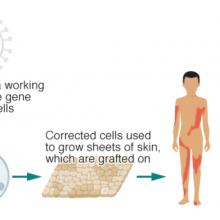
Stem celli research holds tremendous promise for the development of new therapies for many serious human diseases. However, at the moment, clinically proven stem cell-based treatments have been established only for very few conditions, such as hematopoietic stem celli transplants for leukemia and epithelial stem cell-based treatments for burns and corneal disorders. All other stem cell applications are experimental.

About a year ago, the International Society for Stem Cell Research formed an international task force of experts in stem cells and clinical research from 13 countries to define guidelines for the responsible development of safe and effective stem cell-based therapies for patients. I co-chaired the task force with Insoo Hyun from Case Western Reserve University, Cleveland. The Guidelines, which have now been released, define a ‘roadmap' for medical researchers and clinicians, outlining what needs to be accomplished to move stem cells from promising research to proven treatments for patients.

Recent commentary

Turning back time: adult cells transformed into stem cells

Published: 
11 Nov 2008

One of the most promising areas of stem celli research involves transforming adult cells into embryonic stem-like cells. In a landmark study in 2006, Shinya Yamanaka and his colleagues at Kyoto University used genetic manipulation to turn mouse skin cells into induced pluripotent stem (iPS) cellsi – or artificially-created stem cells.

Better understanding of blood stem cells

Published: 
29 Aug 2008

Haematopoietic stem cells (HS cells) are the body's blood bank, giving rise to all types of blood cell including leukocytes and erythrocytes. Each time an HS cell produces a mature blood cell, it also produces a replica of itself, which continues to function as an "immortal" inexhaustible stem cell. This way, our supply of HS cells - a rare cell population lodging mainly in the adult bone marrow - is never used up.

German parliament passes amendment to Stem Cell Act

Published: 
26 Jun 2008

With a final debate and a vote on four submitted proposals to amend the 'Act ensuring the protection of embryos in connection with the importation and utilization of human embryonic stem cellsi', the Bundestag (lower house of parliament) decided on the future of stem cell research in Germany on 11th April.

Italian science hampered by lack of transparent, contestable funding

Published: 
10 Jun 2008

Most of the limited public research funds in Italy are distributed through direct negotiation between the national and regional governments (and their administrators) and research institutions or even individual scientists. It is not uncommon to read in newspapers that millions of euros have gone to a research centre or to individual scientists, in the absence of any kind of long-term national strategy, and worse, without any open and public competition for the best proposals.

New paper highlights the need for evidence about amniotic stem cell claims

Published: 
7 Mar 2008
In 2007, a highly publicized paper was published in the first tier scientific journal, Nature Biotechnology. The authors described the derivation of amniotic fluid-derived stem (AFS) cells. The authors presented evidence that AFS cells differentiate into several cell types, including neurons.

Disclaimer

The news feed below automatically selects stem cell news articles from around the web. EuroStemCell does not vet and is not responsible for the content of these stories.