research

Huntington’s disease: how could stem cells help?

Ostatnia aktualizacja:
10 cze 2013

Huntington’s disease is a devastating, hereditary neurodegenerative disease affecting about 1 out of every 10,000 people in the USA, Europe and Australia. It typically causes involuntary movements of the face and body and dementia. Symptoms worsen over time, eventually leaving the affected person totally dependent on help from others. There are no effective therapies available today. How might stem cell research lead to new treatments?

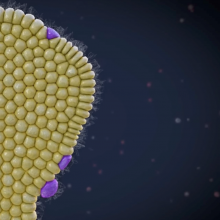
Reprogramming cells: new research reveals a detour on the path to iPS cells

Reprogramming allows us to turn any cell of the body into a stem cell. Since its discovery in 2006 the technique has become widely used in labs around the world. But the process is inefficient and many questions remain about how reprogramming works. PhD student James O'Malley is studying some of these challenging issues. Here he talks about his latest findings, which were published in the journal Nature on 2 June 2013.

Des cellules souches aux patients : le rôle de la commercialisation

Ostatnia aktualizacja:
15 sty 2013

Le développement d'un nouveau traitement est un processus long et complexe. Beaucoup de recherche en laboratoire est nécessaire mais la mise au point d'un traitement, de la recherche à l'application des résultats, implique de nombreuses autres étapes. Les organisations commerciales jouent un rôle clé dans ce processus.

Terapie a base di cellule staminali e neuropatologie: qual è la verità?

In questo periodo, diverse dichiarazioni hanno suggerito che le cellule staminali possano già essere impiegate oggi nel trattamento di persone affette da neuropatologie. Ma cosa si sa veramente di queste terapie e come interpretare queste dichiarazioni?


Stem cell therapies and neurological disorders of the brain: what is the truth?

There have been several claims that stem cells can already be used in patients affected by neurological disorders. What do we really know about these therapies and how should these claims be viewed?

Making red blood cells: A model of stem cell therapy development

Translating laboratory research into cell therapies raises many complex questions and challenges for both science and society. Social scientist Emma King spent four years following a regenerative medicine research project to examine how clinical translation might work in practice. Here, she reflects on what she learnt and what it might mean for the development of future therapies.

Leukaemia: how can stem cells help?

Ostatnia aktualizacja:
22 kwi 2013

Leukaemia is among the first diseases to have been treated using stem cells - bone marrow transplants contain blood stem cells and can save lives. But many difficulties remain. Ongoing research aims to increase our understanding of the disease and improve treatments. How are stem cells helping  patients today, and what are the possibilities for the future? 

Pre-clinical research shows promising treatment for diabetic wounds using stem cells

Published (GMT): 
13 mar 2013 - 9:13przed południem UTC

Pre-clinical research has generated some very promising findings using adult stem cells for the treatment of diabetic wounds. The research carried out by scientists at NUI Galway, is published in this month’s Diabetes the official journal of the American Diabetes Association.

Muscular dystrophy: how could stem cells help?

Ostatnia aktualizacja:
11 lut 2013

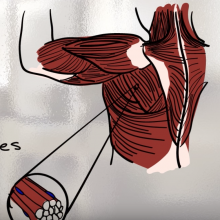
Muscular dystrophy is a muscle wasting disease that has many different forms. About 1 in every 3,500 boys worldwide are born with the most common form of the disease, Duchenne muscular dystrophy. How might stem cell research lead to new treatments?

Taking stem cell therapies to patients: the role of commercialisation

Ostatnia aktualizacja:
15 sty 2013

Developing a new treatment for a disease is a long and complex process. A great deal of laboratory research is needed, but turning this research into a treatment that's ready for patients involves many other steps too. Commercial organisations play a key role in this process.

Subskrybuje zawartość